The Hidden Agenda: A Series Recap
Every month, ten to fifteen communicators sit down for lunch or dinner not knowing what they're about to discuss. That's the format. What happens next is never quite the same.
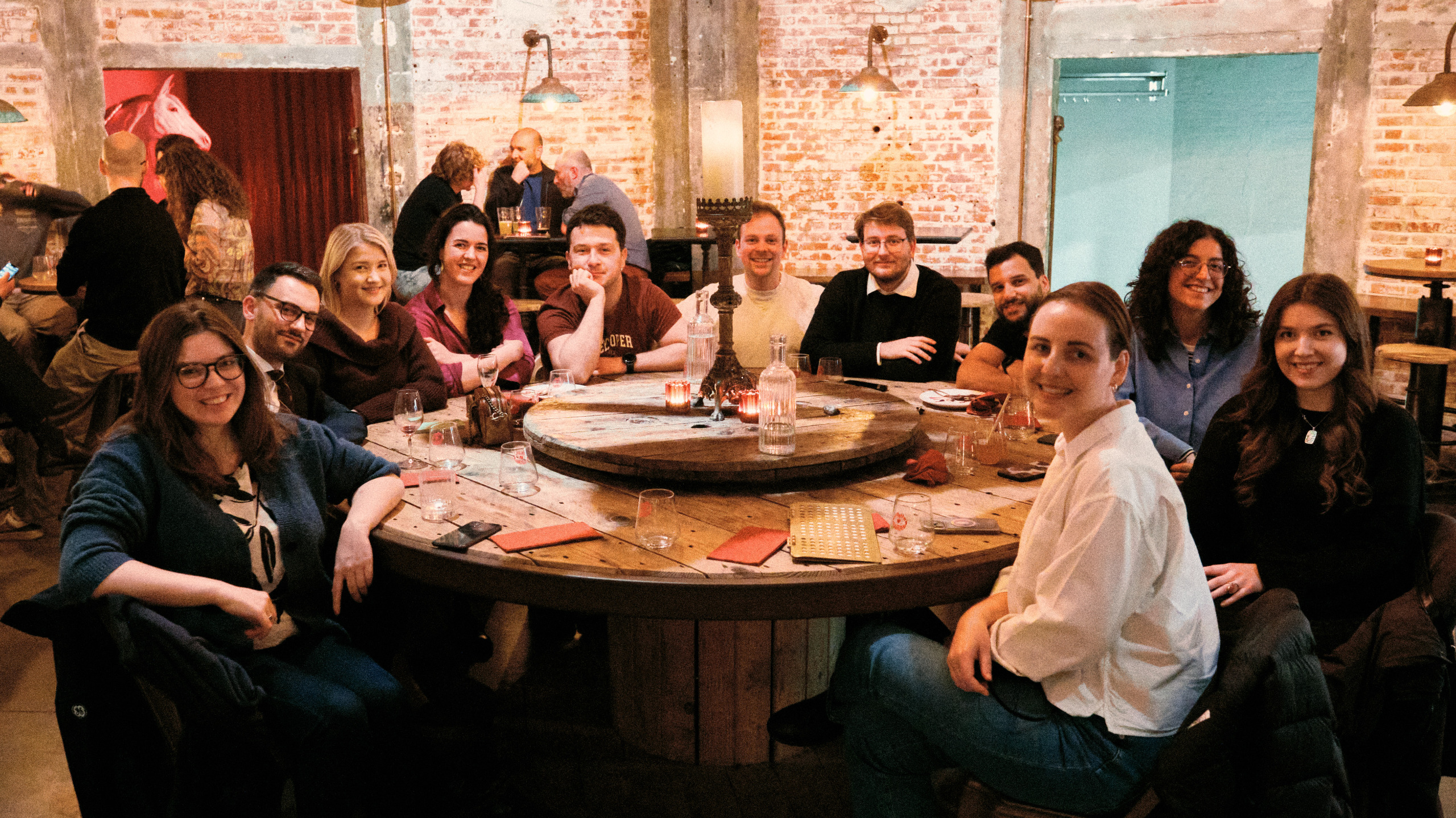
Most professional gatherings tell you what to think about before you walk in. The Hidden Agenda doesn't: you book a seat, show up at Midori over a weekday lunch, or at the Dominican or Brasserie Surréaliste for a dinner edition, and the theme is revealed once everyone is around the table.
That small design choice turns out to matter a lot. Without an agenda to prepare for, people arrive as themselves rather than as their job title — and when the theme drops, the conversation that follows tends to go somewhere that a pre-announced panel discussion rarely does.
What happened
What happens in the room
The reveal
The moment the theme is announced is always the same and always different. There's a beat — sometimes a laugh, sometimes a pause — and then the table starts moving. Someone from a policy background makes an observation, someone from the corporate world pushes back. Someone who works on consumer brands says: actually, we have the exact same problem, we just call it something else. That cross-sector friction is the point. B2B, B2C and EU policy communications look different from the outside. Inside the room, the commonalities are often striking, and so are the gaps. Both are worth the conversation.
The through-line across every edition
No two Hidden Agenda editions have the same dynamic, but one thing is consistent: the people around the table want to do good work and rarely get a space that treats that seriously. The conversation that results tends to go deeper than most professional networking events allow — not because the format forces it, but because it makes room for it. Attendees regularly surface experiences they haven't shared in a professional context before. Sometimes because the theme unlocks it. Sometimes because the mix of people in the room — a brand strategist, a policy officer, an agency founder — makes the exchange feel genuinely productive rather than performative.
What the themes reveal
Trust brought out how differently the word is defined across sectors: earned through data for one, through consistency of voice for another, through institutional credibility for a third — and how rarely those definitions get compared. Lost in Translation surfaced the gap between what communicators intend and what lands: internally, externally, across cultures and across professional registers. The Human Behind the Logo put personal branding and institutional voice in the same conversation, and made visible how often communicators are asked to give organisations a human face while keeping their own professional identity strictly separate.
Unexpected connections
B2B, B2C and EU policy communications look different from the outside. Inside the room, the commonalities are often striking — and so are the gaps. A policy communicator and a B2C creative director at the same table with a live question produce a conversation that neither would have alone.
The atmosphere
Midori, the Dominican, Brasserie Surréaliste — the venues are chosen because the setting matters. A good lunch or dinner slows the conversation down in a way that serves it. Ten to fifteen people is not a conference. It's close enough to a dinner party that professional guard drops in ways it doesn't in larger rooms.
Key insights
What we learned
The mystery isn't a gimmick, it is the mechanism
Revealing the theme on the spot removes preparation and, with it, the temptation to perform expertise. What replaces it is something more useful: actual thinking, in real time, with other people.
The cross-sector mix does most of the work
Put a policy communicator, a B2B account manager and a B2C creative director at the same table with a live question, and the conversation almost runs itself. The differences in approach are interesting. The shared frustrations are more interesting still.
Small tables change what gets said
Ten to fifteen people is not a conference. It's close enough to a dinner party that professional guard drops in ways it doesn't in larger rooms. People share things they wouldn't put in a LinkedIn post.
Good food is not incidental
Midori, the Dominican, Brasserie Surréaliste — the venues are chosen because the setting matters. A good lunch or dinner slows the conversation down in a way that serves it.
Every communicator in the room wants the same thing
They want their work to mean something. They want to be listened to by peers who understand the craft. That's not specific to any sector. Every Hidden Agenda edition confirms it.
Quote that captured the night
“The theme was revealed and I thought: I have so much to say about this, and then I realised I'd never actually said any of it out loud before.”
Member stories
What attendees said
Hidden Agenda attendee
Communications professional
“I came expecting a nice lunch, but I left with three ideas I'm still thinking about and many people I'm going to add in my LinkedIn network.”
Hidden Agenda attendee
Communications professional
“The theme was revealed and I thought: I have so much to say about this, and then I realised I'd never actually said any of it out loud before.”
Hidden Agenda attendee
Communications professional
“What surprised me was how much we have in common across sectors. And what surprised me more was how useful the differences are once you actually talk about them.”
Been there? Share your feedback and you might be featured here.
Photos
Moments captured
Photos by Antoine Sottiaux
Venue
Why Midori, Hotel Dominican, Brasserie Surréaliste works for this
Lunch editions at Midori @ Arts 56; dinner editions at Hotel Dominican and Brasserie Surréaliste. The venues are chosen because the setting matters. A good lunch or dinner slows the conversation down in a way that serves it.
Address
Multiple venues, Brussels
Don't miss out
Join us at the next one
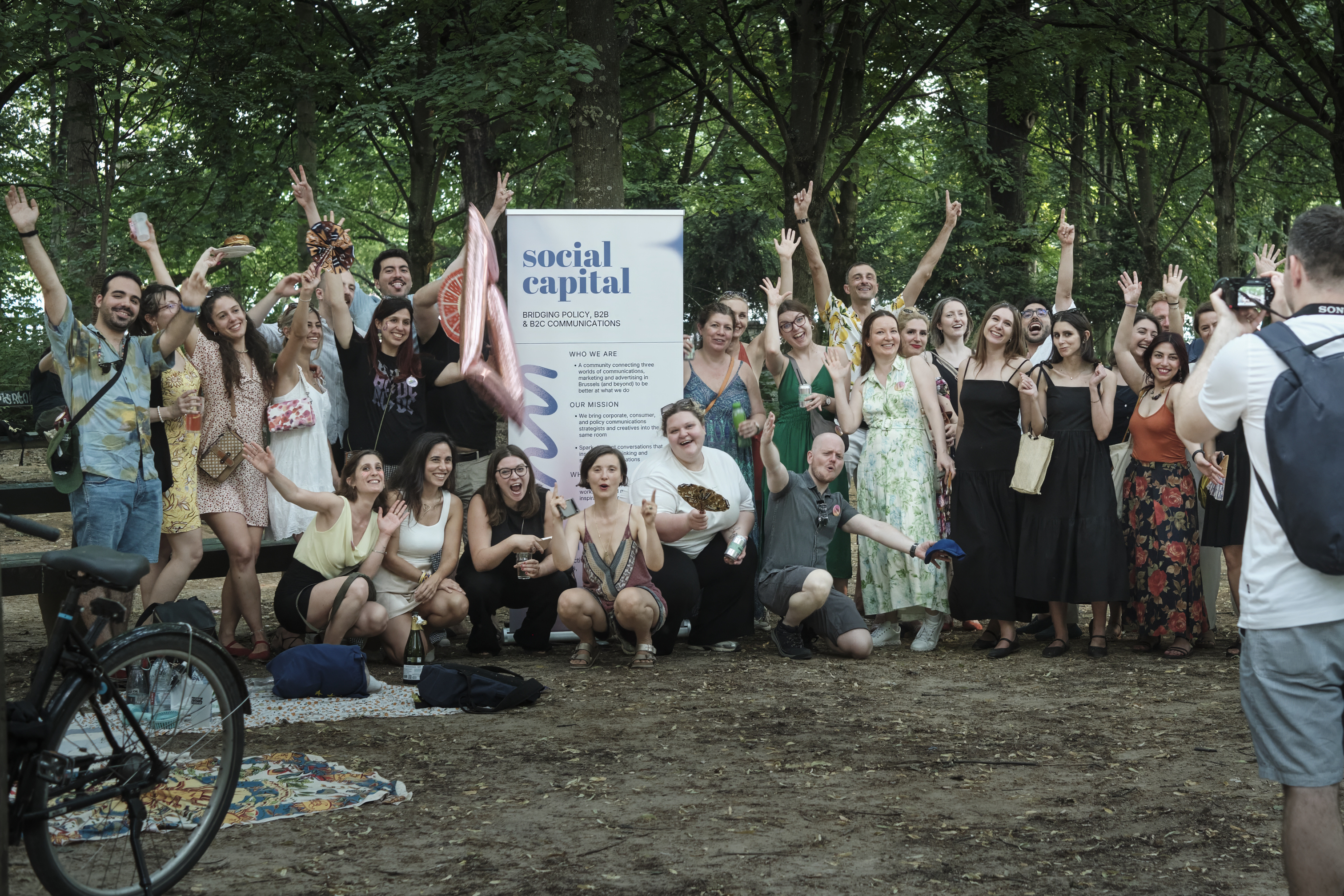
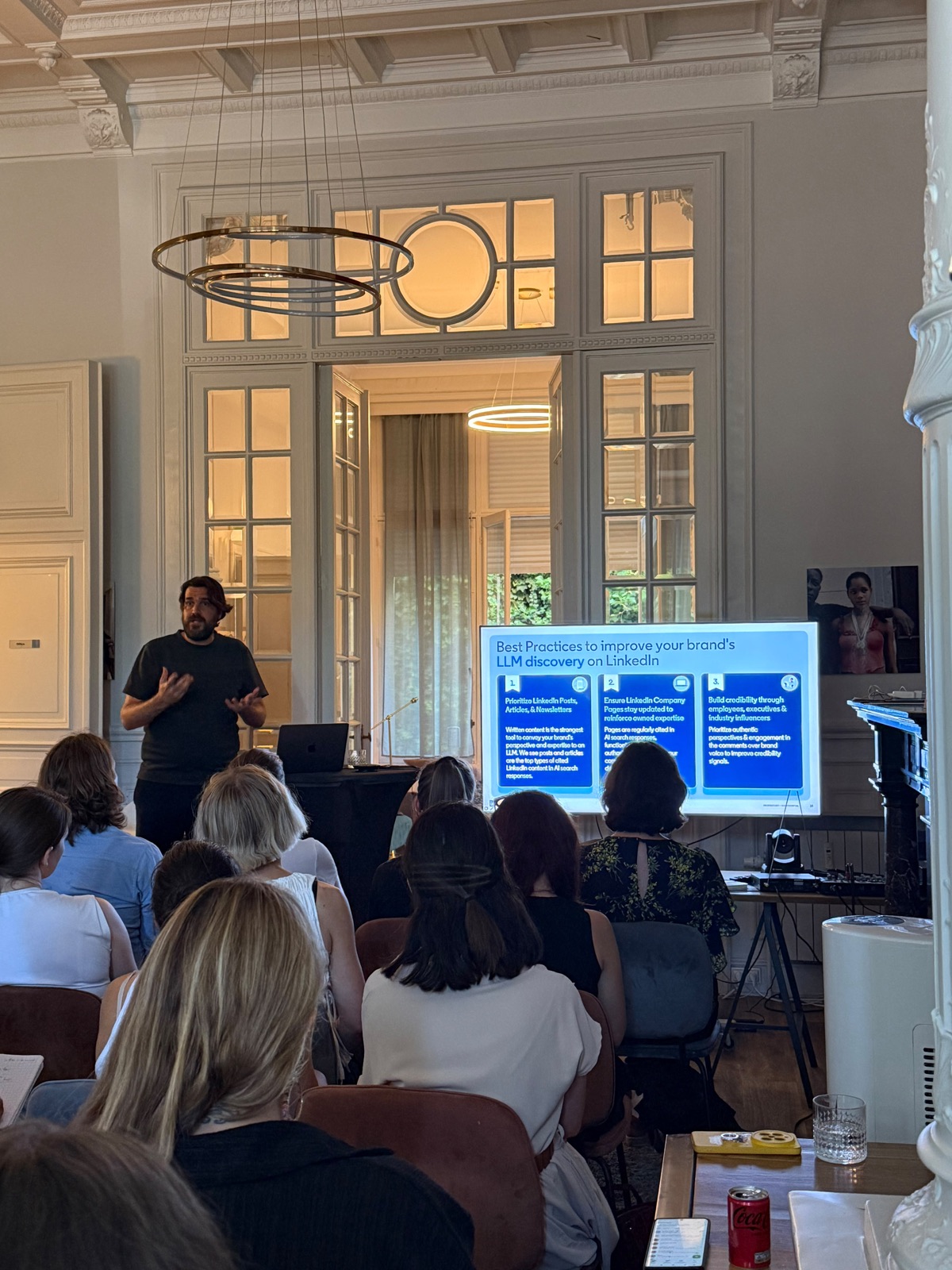
Social Capital hosts events every month. Aperos, workshops, creative walks. Free for members.